

Fuel costs continue to move in response to global conditions, and fleets are seeing that impact show up quickly in daily operations. Recent industry coverage has pointed to ongoing geopolitical tension and supply pressure as key drivers behind diesel price swings. Coverage from FreightWaves shows diesel prices climbing again, with benchmarks now pushing past $5 per gallon in some cases, creating immediate pressure on fleet operating costs.
For fleet managers, that reality creates a constant need to evaluate where fuel is being used and where adjustments can make a difference over time. MirrorVue™ has started to enter that discussion as fleets look beyond traditional cost controls and begin evaluating how vehicle setup itself can influence efficiency.
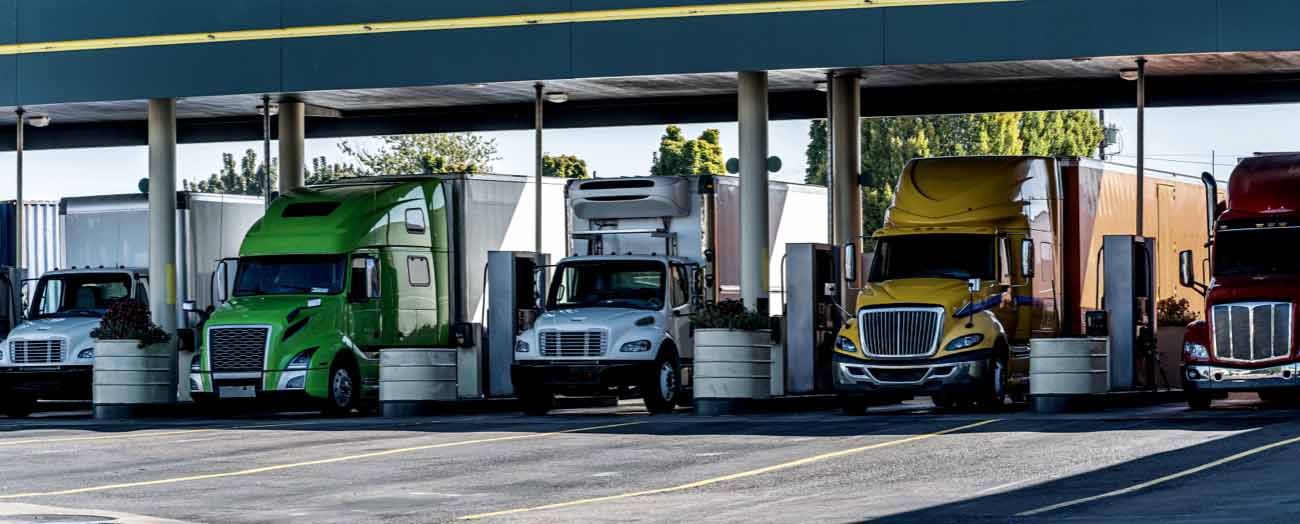
Fuel Pressure Is Shifting Equipment Decisions
Most fleets already focus on the fundamentals such as routing, idle reduction, and driver performance. Those areas remain important, but they are no longer the only places being evaluated. As margins tighten, more attention is being given to the physical design of the vehicle and how certain components affect performance on the road.
Visibility systems are one example. What was once viewed strictly as a safety feature is now being considered alongside efficiency, especially as camera-based setups continue to replace traditional mirror configurations.
Where MirrorVue™ Fits into Fuel Efficiency
Traditional mirrors extend outward from the cab and disrupt airflow as a vehicle moves at speed. Over the course of thousands of miles, that added resistance contributes to higher fuel consumption in a way that is easy to overlook because it is built into the standard design of the truck.
MirrorVue™ replaces or supplements those mirrors with a camera-based system that reduces that drag. By improving how air moves around the vehicle, fleets can see measurable fuel savings, often in the range of a few percentage points depending on how the system is used. While that number may seem small at first glance, it becomes far more meaningful when applied across an entire fleet operating every day.

Improving Visibility Without Adding Complexity
Beyond fuel considerations, MirrorVue™ changes how drivers interact with their surroundings. The system provides consistent views along both sides of the vehicle through strategically placed cameras and interior monitors positioned within the driver’s natural line of sight.
This reduces the need for constant seat movement or repeated head checks, especially when monitoring the right side of a trailer. Drivers can maintain better awareness with less effort, which supports more controlled lane changes, safer maneuvering in tight areas, and a more consistent driving experience overall.
A Natural Fit for Connected Fleet Operations
As fleets continue to adopt more connected systems, visibility and data are becoming closely tied together. MirrorVue™ includes built-in recording that captures camera views independently, giving fleets access to clear footage when it is needed for review or documentation.
This type of visibility pairs well with broader telematics systems already in place, allowing fleets to connect what is happening on the road with the data they are tracking behind the scenes. Instead of treating cameras as a standalone tool, they become part of a larger operational picture that supports both oversight and decision making.
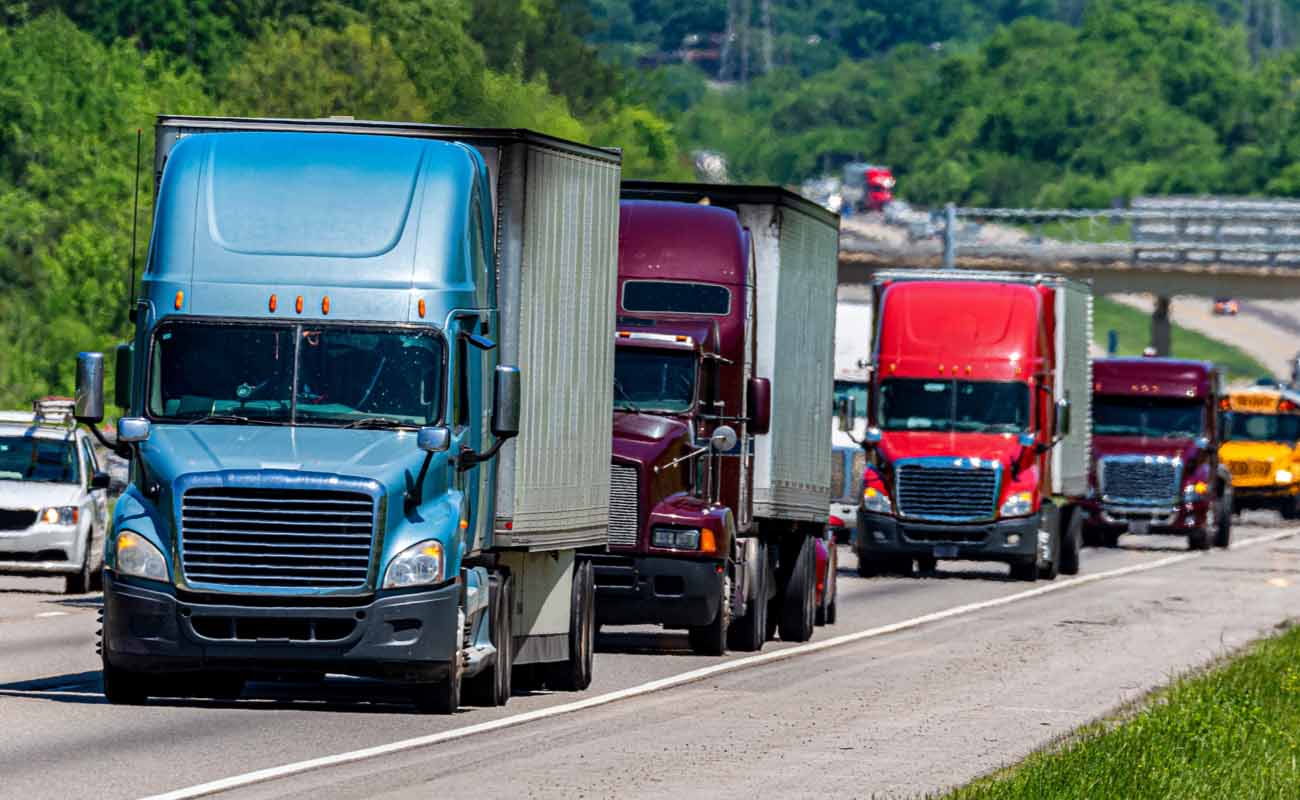
Beyond Over the Road Applications
While MirrorVue™ is often associated with long-haul trucking, its value extends to vehicles that operate in tighter, more demanding environments where visibility is constantly challenged. Municipal and service-based equipment rely on clear sightlines to navigate confined spaces, frequent stops, and unpredictable surroundings.
These applications benefit from consistent, real-time visibility in ways that traditional mirrors cannot always support.
- Street sweepers navigating curbs, parked vehicles, and pedestrian traffic
- Refuse trucks operating in residential areas with frequent stops and limited clearance
- Municipal service vehicles working in tight urban or jobsite conditions
- Utility and maintenance fleets require full awareness around the vehicle during active work
Small Gains That Add Up Over Time
Fuel savings, visibility improvements, and better operational awareness are often evaluated separately, but in practice they work together. A modest improvement in fuel efficiency becomes more valuable when paired with systems that also support safety and consistency behind the wheel.
Over time, those incremental gains begin to stack across vehicles, routes, and daily use. For fleets managing rising costs, that combination of efficiency and visibility makes systems like MirrorVue™ worth considering as part of a broader operational strategy.

Moving Forward
Fuel pricing will continue to change, and fleets will continue to adapt in response. While external factors cannot be controlled, equipment decisions remain firmly within reach.
MirrorVue™ represents one of those decisions. By improving how vehicles move through the air and how drivers look around them, it offers a practical way to address both fuel use and visibility without adding unnecessary complexity.